How Long Does A Chain Link Fence Last?
Chain link fencing remains a practical perimeter solution for residential properties because it balances durability, visibility, and affordability. Homeowners often ask how long a chain link fence lasts once it is installed around a yard or property line. The answer depends on installation quality, material grade, climate exposure, and upkeep habits over time.
When installed with care and maintained thoughtfully, chain link fencing can remain functional for decades while protecting boundaries, pets, and outdoor spaces without demanding constant attention.
Average Lifespan of a Chain Link Fence
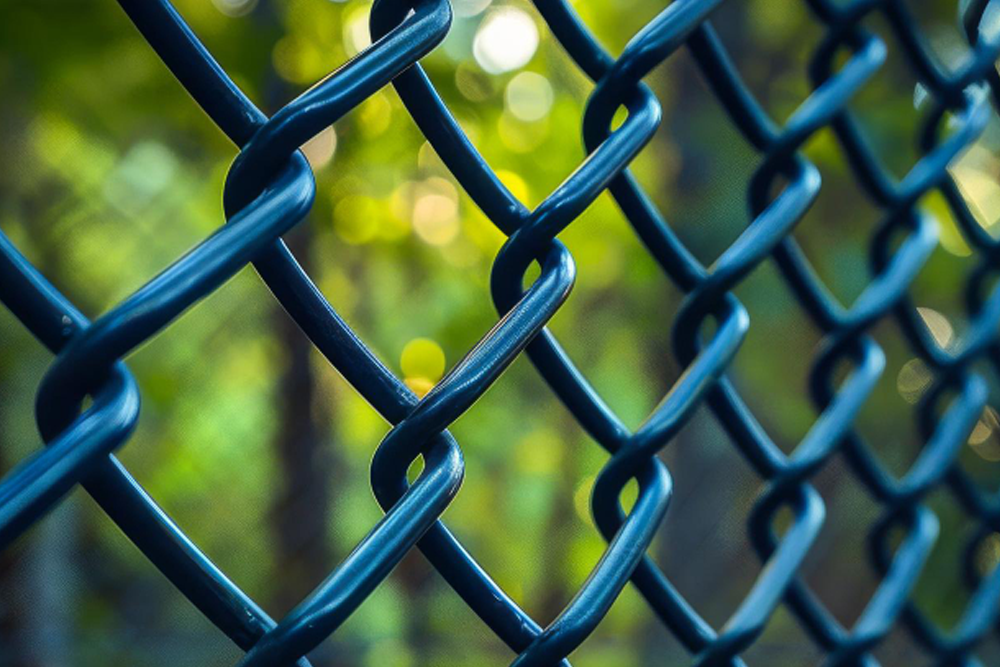
A well-installed chain link fence generally lasts between twenty and thirty years. Galvanized steel plays a major role in that longevity by resisting rust and corrosion far better than untreated metal. Vinyl-coated mesh can extend surface durability by limiting moisture exposure and reducing sun damage. Longevity improves further when installation follows proper spacing, tension control, and post depth standards.
Professional fence services that focus on structural integrity rather than speed often deliver better long-term results. Installation choices made early influence how the fence performs years later.
Fence Components That Affect Longevity
Every chain link fence relies on several connected components that share structural stress. Steel posts anchor the fence and absorb most ground-level movement. Top rails help distribute tension evenly across the fence line, limiting sag. The woven wire mesh forms the visible barrier, while tension bands and tie wires maintain alignment. Gates introduce movement and often show wear sooner than fixed sections.
Working with an experienced chain link fence installer helps match materials and installation methods to local soil and climate conditions, which directly impacts how long each component lasts.
Environmental Conditions That Influence Fence Life
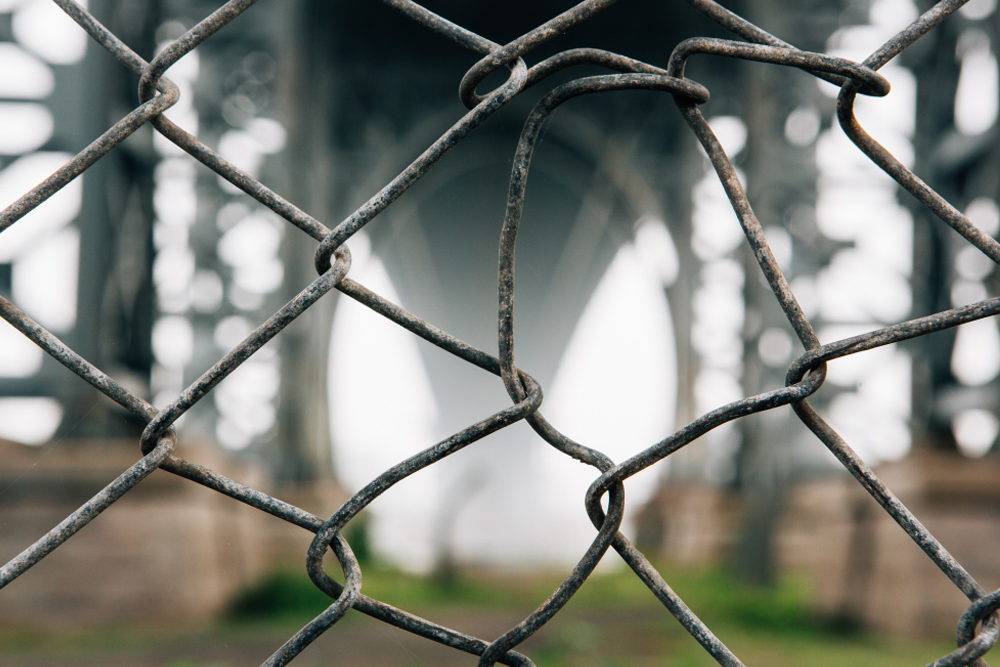
Environmental exposure shapes fence performance over time. Moist climates accelerate corrosion once protective coatings thin. Areas with intense sun exposure gradually weaken galvanized and vinyl finishes. Salt air increases oxidation rates, especially on coastal or high-humidity properties.
Wind applies repeated stress that loosens fasteners and shifts posts when installation lacks proper depth or reinforcement. These factors explain why fences of the same age may perform very differently depending on location.
How Human Activity Impacts Fence Wear
Daily interaction affects chain link fencing more than many homeowners realize. Leaning, climbing, or repeated contact stretches the mesh and strains connections. Pets pushing against fencing weaken tension points.
Lawn equipment scraping posts removes protective coatings, leaving metal exposed. Gates see frequent motion that wears hinges and latches over time. Reduced physical stress directly supports a longer service life.
Common Repairs That Extend Fence Longevity
Routine repairs help maintain structural balance. Re-tensioning loose mesh restores alignment. Replacing worn tie wires and tension bands prevents uneven load distribution. Small holes in fabric can be patched, while larger damaged sections often require replacement.
Corroded posts usually signal deeper structural concerns and should be addressed quickly to avoid widespread failure across the fence line.
Maintenance Habits That Support Long-Term Performance
Periodic inspection helps identify issues early. Clearing vegetation away from the fence reduces moisture retention and prevents physical damage. Touch-up coatings slow rust formation on exposed metal. Gate hardware benefits from occasional adjustment and lubrication. Homeowners who stay ahead of minor issues often avoid major repair expenses later.
Why Installation Quality Matters More Than Materials Alone
Even high-grade materials fail early when installation lacks precision. Posts must extend below frost lines to prevent seasonal shifting. Concrete footings need adequate curing time before tensioning. Proper spacing reduces sag and stress concentration. Gate alignment prevents hinge fatigue. Experienced installers understand how these details affect long-term durability and structural balance.
When Replacement Becomes the Better Option
There comes a point when repairs no longer make sense. Widespread corrosion across posts and rails indicates advanced deterioration. Repeated mesh failures suggest metal fatigue rather than isolated damage. Older fences without modern coatings often require frequent repairs that exceed replacement value. In these cases, removal and replacement restore safety and reliability.
Design Choices That Improve Chain Link Fence Lifespan
Modern chain link fencing allows for thoughtful customization. Vinyl coatings reduce weather exposure. Privacy slats improve visual separation without blocking airflow. Custom gates support daily access needs without overstressing the fence line. Smart design choices support durability while matching property use and layout.
Plan Your Chain Link Fence With The Fence Doctor
We help homeowners build chain link fences that last by focusing on proper installation, durable materials, and long-term performance. From new fence installation to repairs, removal, and custom gate work, our team applies local experience to every project.
If you want honest guidance on lifespan, repairs, or replacement timing,
reach out to us to request a quote or start a conversation.