When Is The Best Time To Install A Fence Around Your Home?
Fence installation affects privacy, safety, property layout, and long-term maintenance. Timing plays a direct role in how smoothly the project moves and how the finished fence performs over time. Homeowners often associate fencing with warm months, yet soil conditions, material behavior, contractor availability, and future property plans all influence outcomes.
Understanding the best time to install a fence helps homeowners plan with clarity, avoid delays, and align installation with long-term goals rather than seasonal assumptions.
How Soil Conditions Influence Fence Installation
Fence stability starts below ground. Post depth, soil moisture, and compaction affect how well a fence holds its line over time. In many regions, soil becomes overly dry and compacted during peak summer heat, which slows excavation and affects post setting. Cooler months typically offer soil that allows cleaner digging and more consistent placement.
During fall and winter, reduced evaporation helps soil maintain balanced moisture. This supports stronger post foundations and reduces shifting after installation. For properties with clay-heavy soil, moderate temperatures improve workability and accuracy. Proper post placement reduces future leaning and gate alignment issues.
Why Cooler Months Improve Project Scheduling
Fence installation demand rises sharply during spring and early summer. Contractors manage heavy schedules during that period, which often leads to longer wait times for estimates, permits, and installation dates. Planning during fall or winter often shortens timelines and allows greater flexibility.
Scheduling outside peak demand also improves communication. Crews have more time to focus on layout details, gate placement, and property-specific adjustments. Homeowners benefit from clearer timelines and reduced pressure to rush decisions tied to seasonal events.
Material Performance Across Seasons
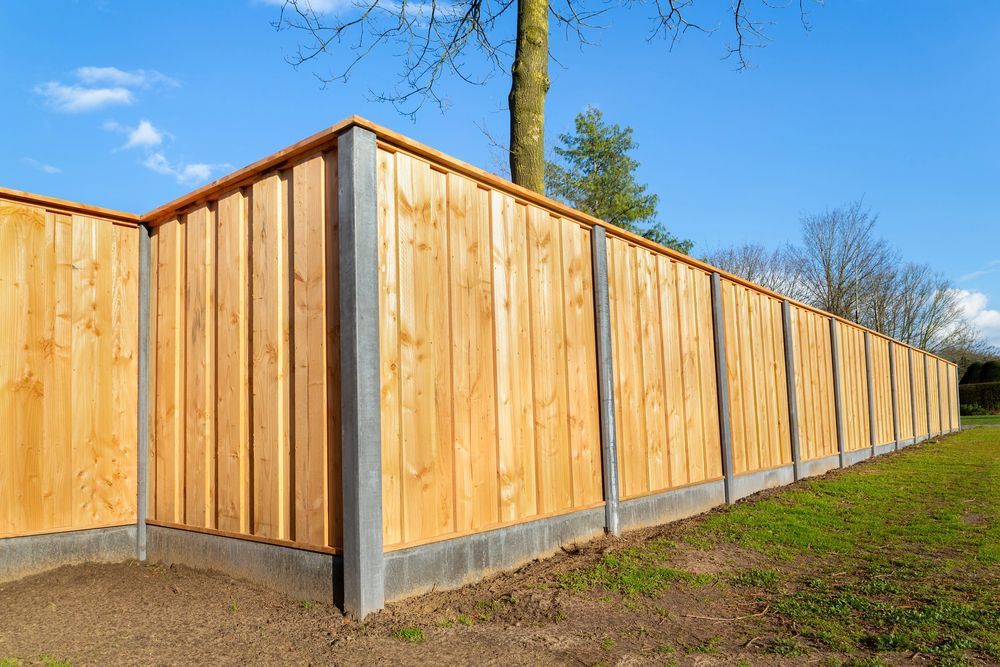
Different fencing materials react to temperature and moisture in distinct ways. Wood fencing benefits from cooler installation periods, since planks acclimate gradually before exposure to intense heat. This reduces early warping and uneven gaps. Sealants and stains also bond more evenly when applied outside extreme heat.
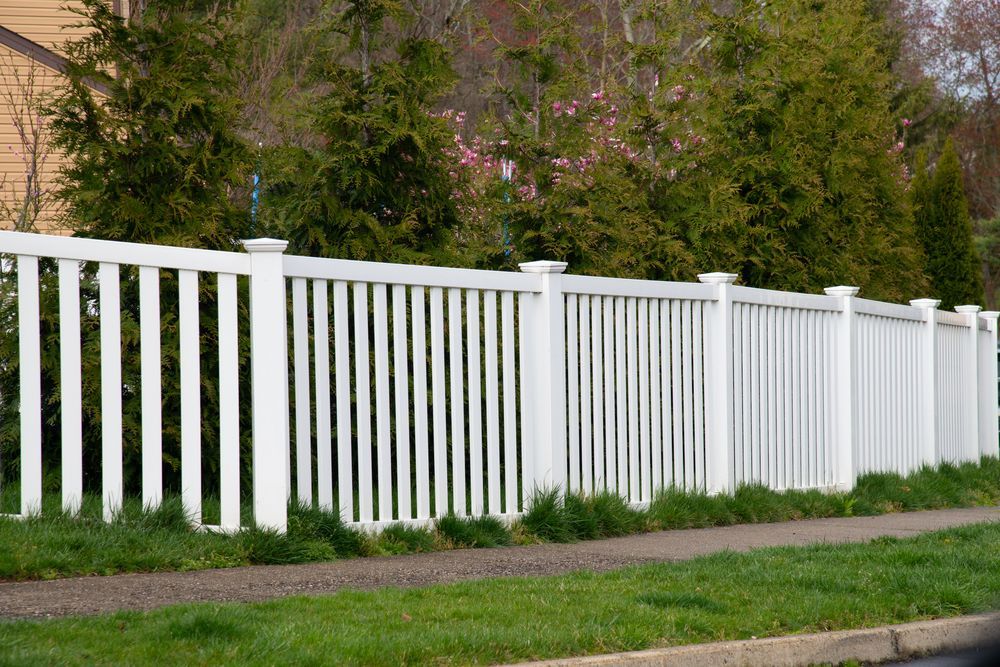
Vinyl and metal fencing perform well year-round, though installation accuracy improves when crews can work without extreme temperature stress. Aluminum and steel components align more precisely under stable conditions, which supports long-term structural integrity. Material behavior remains consistent when installation avoids peak heat cycles.
Landscape Impact and Property Access
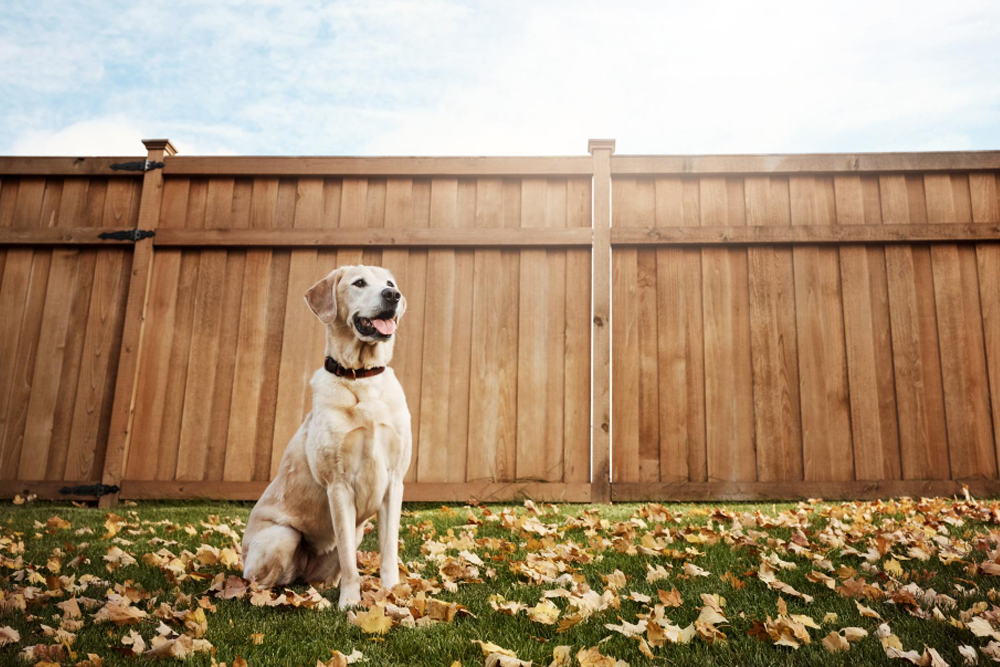
Fall and winter installations often involve less landscape disruption. Dormant plants, fallen leaves, and reduced ground cover simplify access to fence lines. This minimizes the need for plant removal or temporary relocation. Property owners also spend less time clearing space before construction begins.
Reduced foliage improves visibility along property boundaries. Clear sightlines support accurate layout and prevent boundary errors. Installation crews move efficiently when fence lines remain unobstructed by seasonal growth.
Privacy and Security Benefits During Off-Season Installation
Seasonal foliage often contributes to privacy during warmer months. When leaves drop, properties may feel more exposed. Fence installation during fall or winter restores privacy immediately rather than waiting for the next growing season.
Security benefits also appear sooner. A completed fence adds boundary definition and access control during months when visibility increases. This timing suits homeowners seeking earlier peace of mind rather than delayed improvements.
Planning Ahead for Pools and Outdoor Projects
Many homeowners coordinate fence installation with future pool construction or outdoor upgrades. Pool fencing often requires code compliance before use. Installing fencing ahead of peak pool season prevents delays tied to inspections and contractor availability.
Early installation allows homeowners to enjoy outdoor spaces immediately when warmer weather arrives. Planning during cooler months also supports compliance with local regulations without last-minute scheduling challenges.
Fence Installation Services That Fit Seasonal Planning
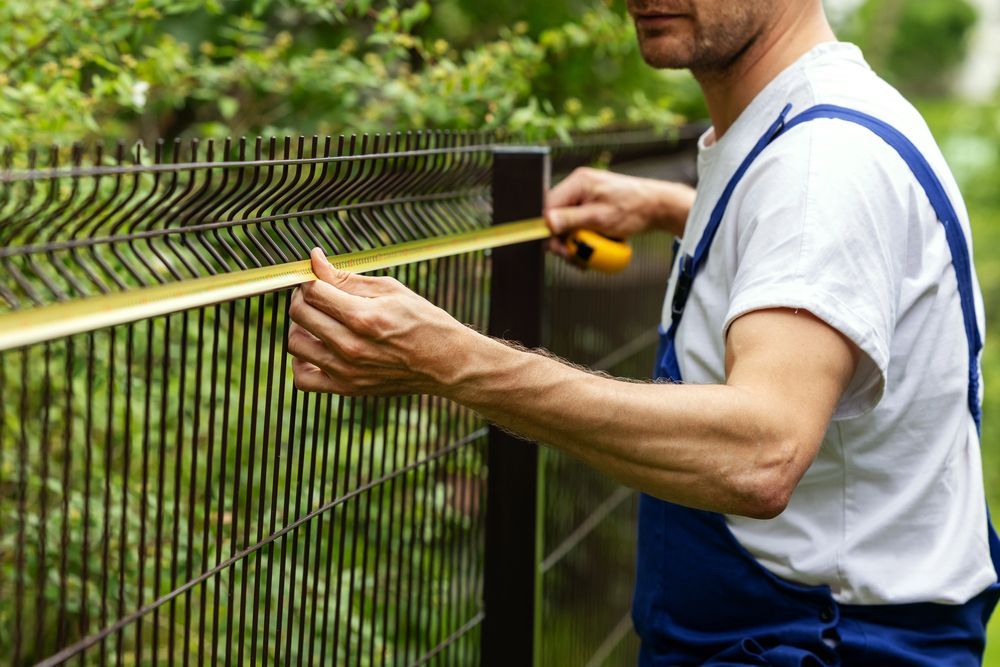
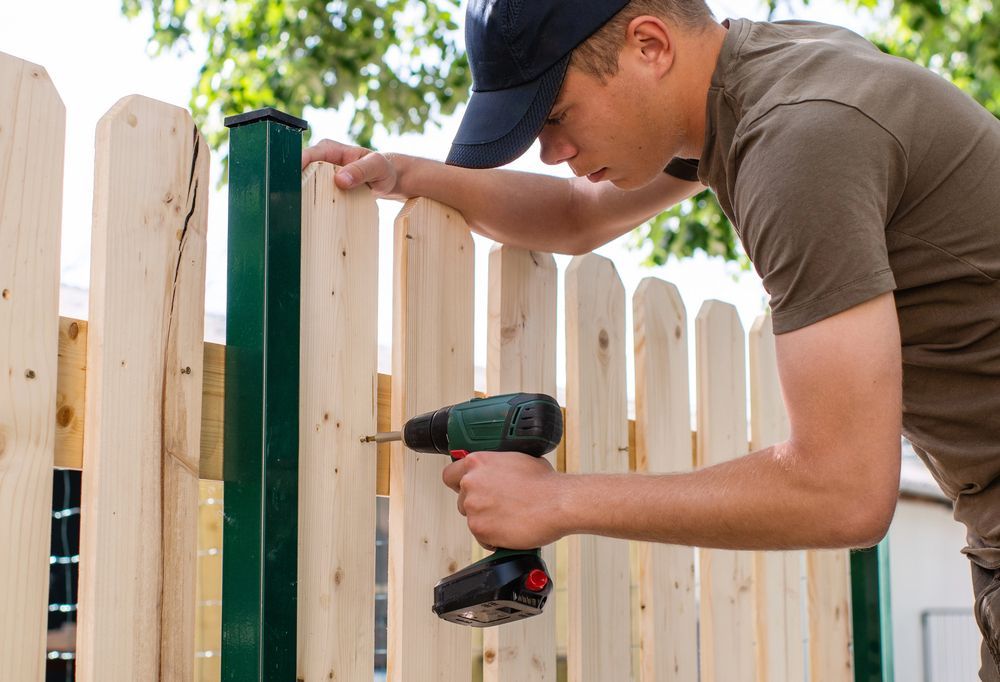
Fence installation remains the primary service for most residential and commercial projects. Starting during fall or winter often leads to smoother execution and stronger outcomes. Remove and replace projects also benefit from off-season scheduling, especially when older fences fail during storms or high winds.
Fence repair fits well into year-round planning, though repairs often receive faster attention outside peak seasons. Custom gate installation and repair demand precise alignment, which benefits from controlled working conditions and relaxed schedules. Professional fence services cover these needs while adapting to seasonal advantages.
Chain Link Fencing and Year-Round Installation
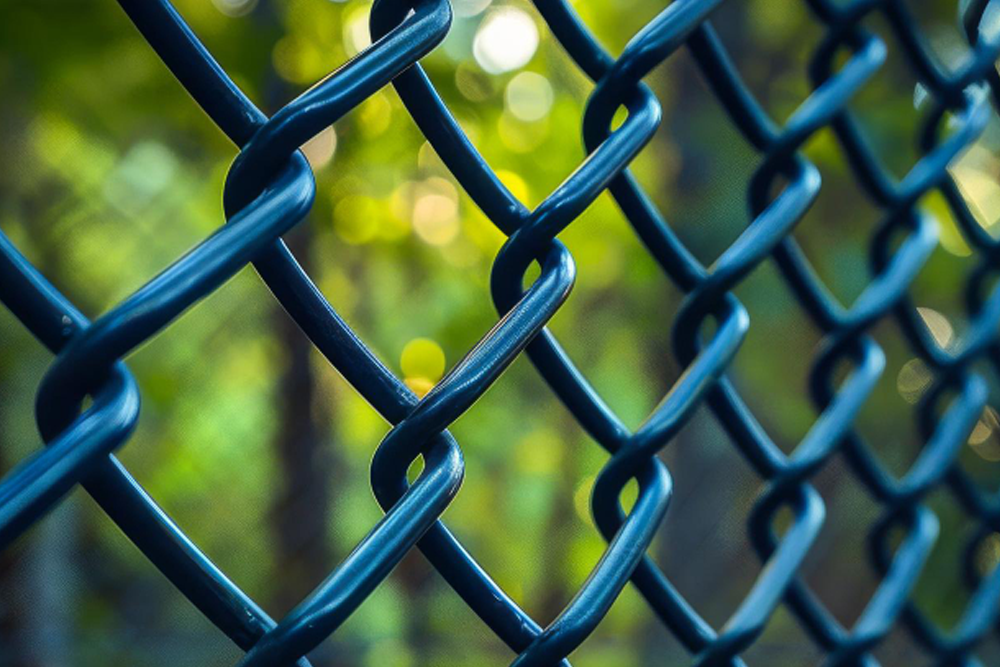
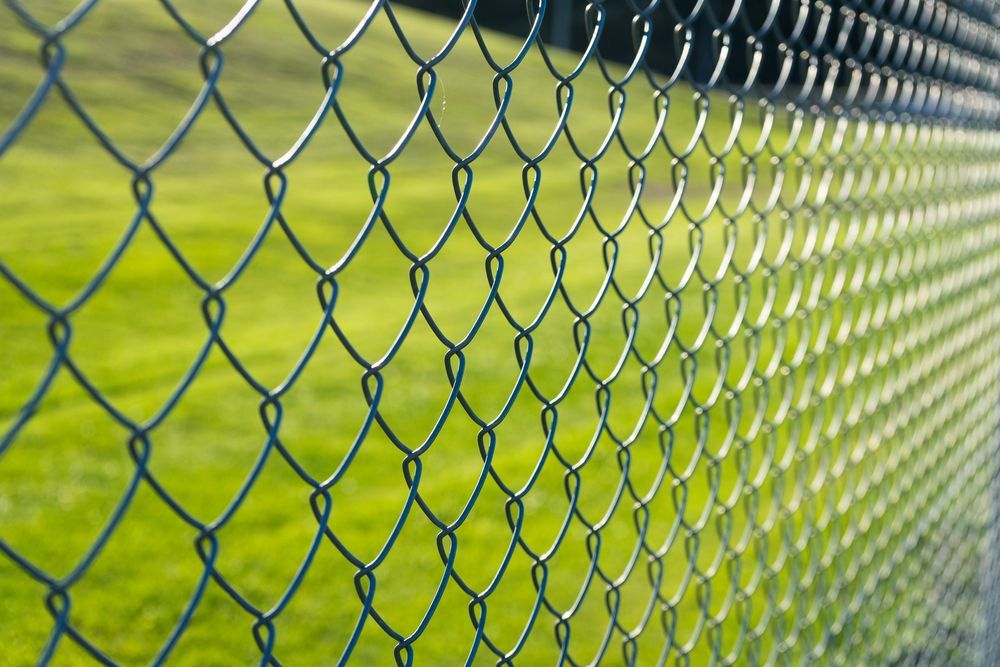
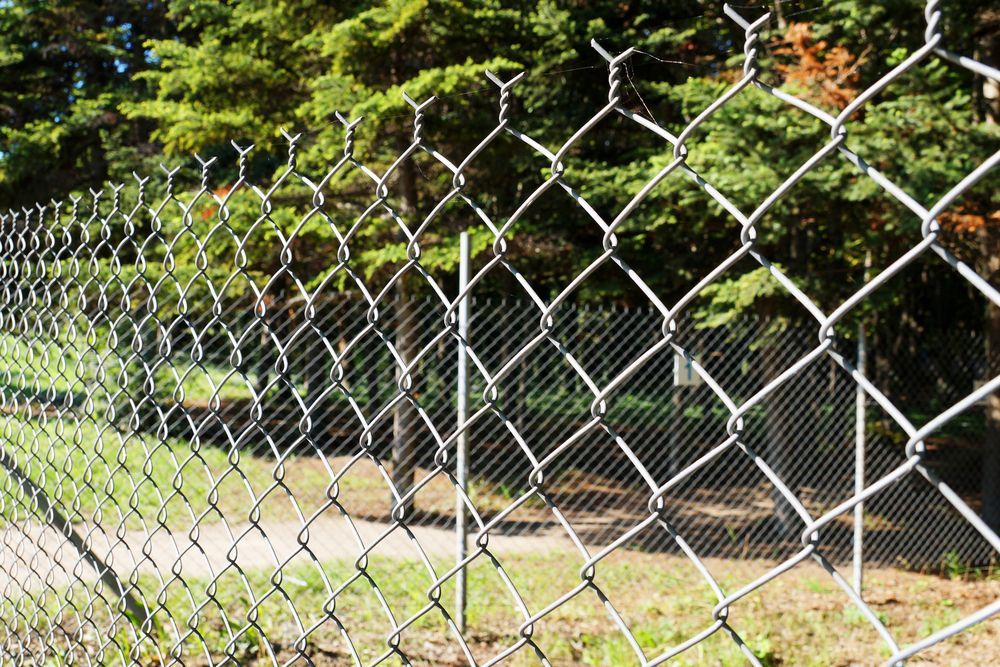
Chain link fencing suits year-round installation due to its material stability. Cooler months still offer scheduling benefits and reduced site congestion. Precision matters with chain link systems, especially for tensioning and framework alignment.
Working with an experienced chain link fence installer supports consistent results regardless of season. Proper installation techniques matter more than calendar dates, though timing still affects efficiency.
Permit Processing and Seasonal Timing
Permit requirements vary by municipality. Processing often slows during peak construction seasons due to increased volume. Submitting applications during fall or winter may shorten approval timelines and reduce administrative delays.
Homeowners associations also process requests more efficiently outside busy renovation periods. Early planning simplifies compliance and reduces stress tied to project deadlines.
Cost Considerations and Long-Term Value
Pricing often reflects demand. Peak seasons concentrate labor and material orders, which can influence scheduling flexibility. Off-season planning may offer steadier timelines and clearer cost structures.
Long-term value depends on installation quality rather than short-term savings. Timing that allows careful workmanship and material handling supports durability and reduces future repair needs.
Weather Misconceptions and Installation Capability
Cold weather does not automatically prevent fence installation. As long as soil remains workable and conditions allow safe excavation, crews complete projects successfully. Modern equipment supports accurate post placement outside extreme weather.
Frozen ground presents challenges only during short periods. Many regions experience long stretches of cool weather without deep frost. Planning accounts for local climate patterns rather than assumptions.
Balancing Timing With Property Goals
The best time to install a fence depends on priorities tied to use, privacy, and scheduling. Some homeowners plan around upcoming events, while others focus on structural performance. Seasonal advantages align best when planning accounts for soil conditions, material behavior, and contractor availability together.
Start Your Fence Project at the Right Time With The Fence Doctor
At The Fence Doctor, we help homeowners choose the best time to install a fence based on property conditions, material selection, and future plans. Fence installation, remove and replace work, fence repair, and custom gate projects all benefit from thoughtful timing. As a locally owned company, we focus on workmanship, quality materials, and clear communication from start to finish.
For project guidance or to request a quote,
contact us today.