Step-By-Step Guide To Chain Link Fence Repair
Chain link fencing plays a practical role on many properties. It defines boundaries, controls access, and holds up well under regular use. When damage appears, questions follow quickly. Many property owners search for chain link fence repair guidance because small issues often grow into larger problems when left untreated.
Understanding how chain link fences fail, how repairs work, and when professional help makes sense protects both the fence and the property it serves.
How Chain Link Fences Commonly Become Damaged
Chain link fences handle daily exposure better than many materials, yet they still face stress over time. Weather places constant pressure on metal components. Rain and humidity promote corrosion. Sun exposure weakens protective coatings. Wind pushes against large sections, especially in open areas.
Impact damage also occurs. Vehicles, sports equipment, fallen branches, and wildlife can bend rails or stretch mesh. Gates face repeated movement, which wears hinges and latches faster than stationary sections. Over time, fasteners loosen and posts shift if soil conditions change.
Recognizing these stress points guides repair decisions. Some damage stays cosmetic. Other damage affects stability and security. Understanding the difference shapes the repair approach.
Early Warning Signs That Repairs Are Needed
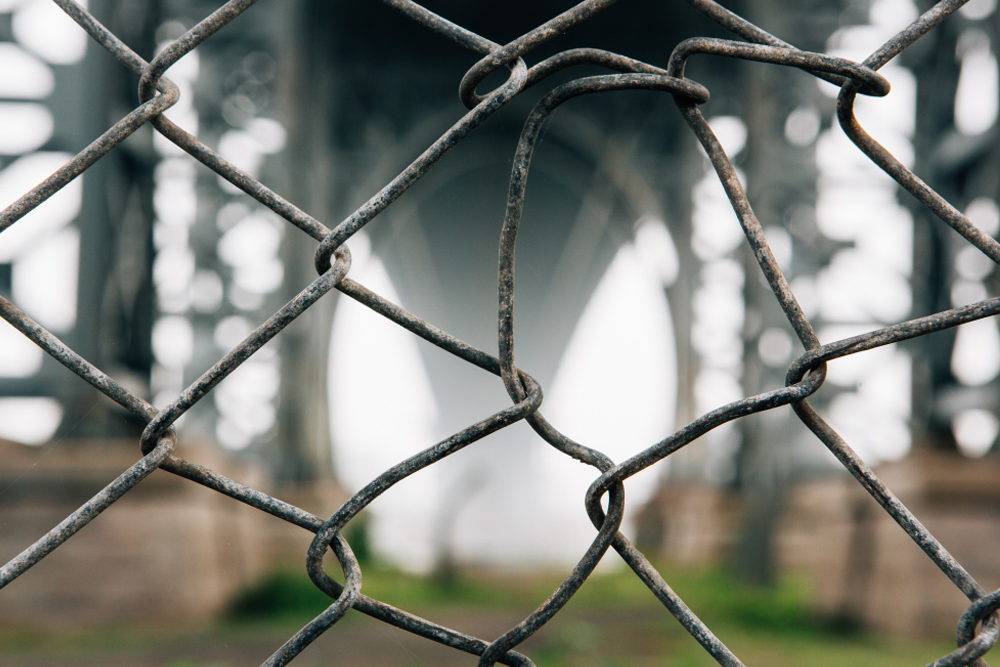
Small issues often signal deeper problems. Rust spots on the mesh or posts suggest moisture exposure beneath the surface. Slight leaning points to shifting soil or shallow posts. Loose tension bands and ties indicate structural strain.
Mesh that sags or pulls away from posts loses its ability to hold shape. Gates that drag or fail to close smoothly often signal hinge wear or post movement. Addressing these signs early helps extend fence life and limits repair scope.
Ignoring early warnings often leads to section replacement rather than simple repairs. Regular visual checks make a noticeable difference.
Understanding the Structure of a Chain Link Fence
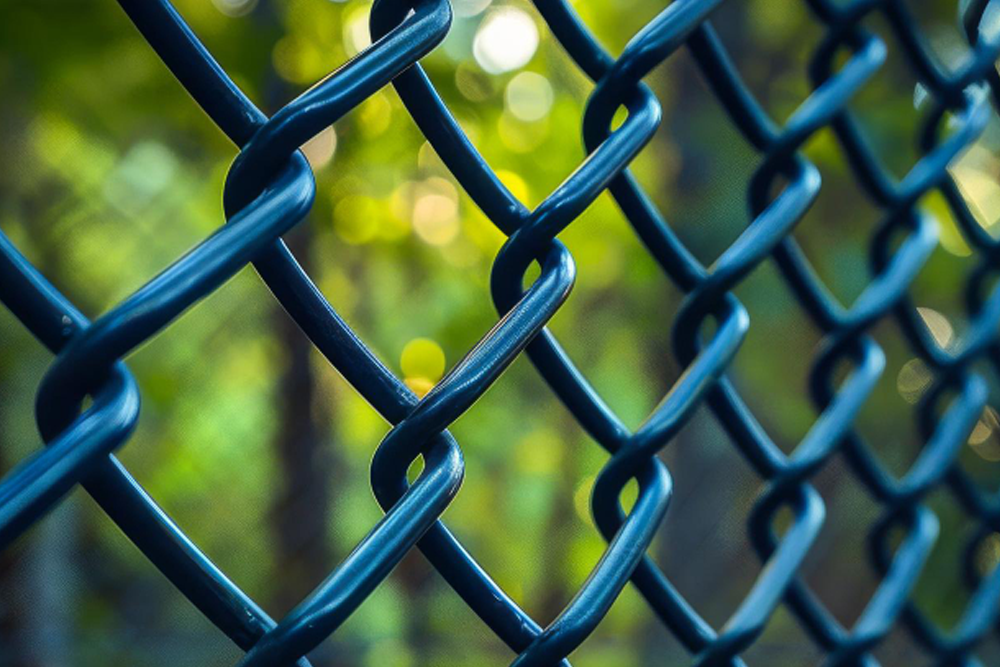
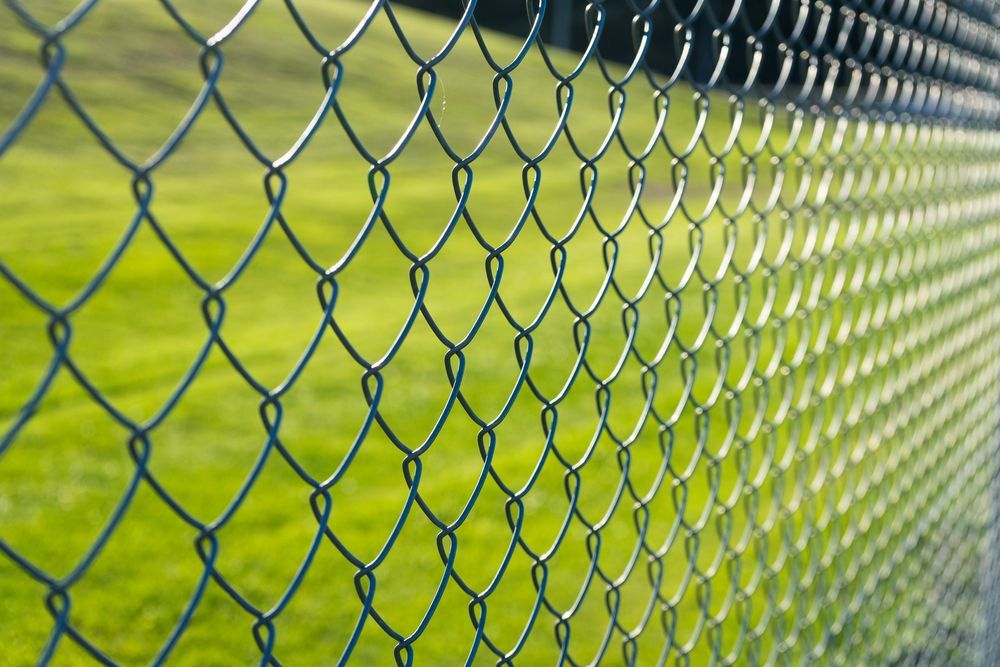
Effective chain link fence repair starts with understanding how the fence works. Each component plays a role in stability. Posts anchor the fence into the ground. Rails connect posts and distribute tension. Mesh stretches across the framework and holds shape through tension bands and ties.
When one component fails, stress transfers to others. A loose post allows mesh movement. Bent rails affect alignment. Rusted ties weaken the connection between mesh and frame. Repairs work best when they address the system rather than a single visible issue.
Deciding Between Repair and Replacement
Not all damage calls for full replacement. Localized mesh damage, loose fittings, or minor post movement often respond well to repair. Replacing a damaged section restores function without disturbing the entire fence line.
Widespread corrosion, multiple failing posts, or long sections of stretched mesh often justify replacement. Repairing isolated spots within a failing structure leads to repeat work. Evaluating the fence as a whole helps determine the most practical path forward.
Our experience with fence installation, removal, and replacement helps guide these decisions with clarity.
Tools and Materials Used During Repairs
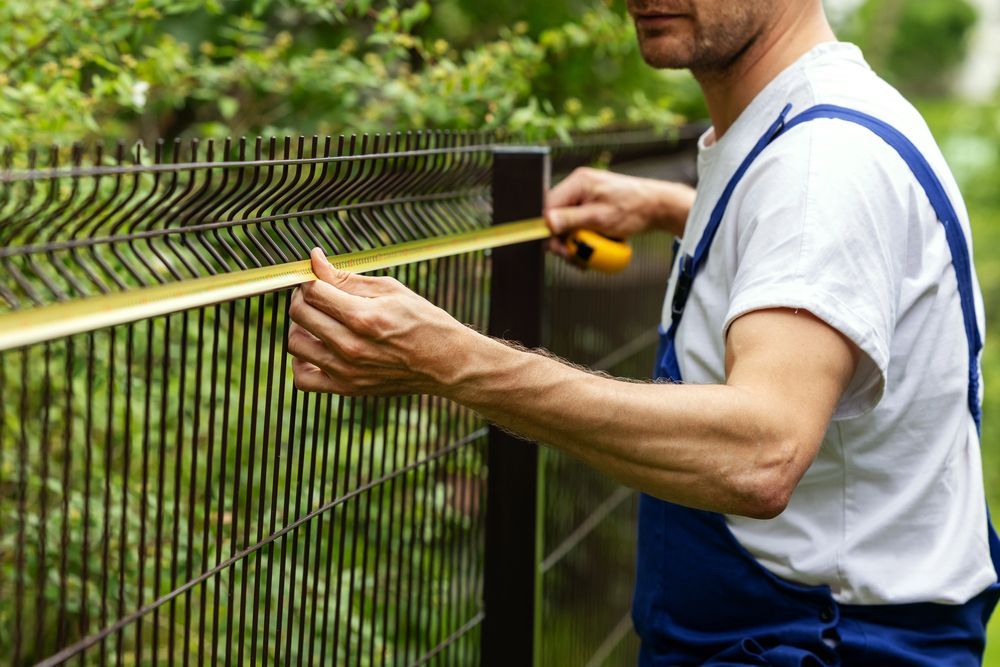
Successful repairs rely on the right tools and matching materials. Pliers, wire cutters, and tensioning tools help remove and secure mesh. Metal cutters allow precise trimming. Measuring tools maintain alignment and spacing.
Replacement materials must match existing fence specifications. Post diameter, mesh gauge, and coating type all matter. Mismatched components weaken the fence and shorten repair lifespan. Selecting compatible parts supports structural balance.
Protective gloves also play a role. Chain link work involves sharp edges that require care and control.
Repairing Damaged Chain Link Mesh
Mesh damage appears as holes, tears, or stretched sections. Repairs begin with removing damaged mesh carefully to avoid affecting surrounding areas. New mesh sections must align with existing fabric and maintain consistent tension.
Tension bars and bands help anchor new sections to posts. Wire ties secure the mesh along rails. Proper tension keeps the fence upright and visually uniform. Loose mesh leads to sagging and renewed damage.
This repair restores both appearance and function when done correctly.
Fixing Leaning or Damaged Fence Posts
Posts form the foundation of any chain link fence. Leaning posts often result from soil erosion, shallow installation, or impact. Repairs may involve resetting the post deeper or replacing it entirely.
Resetting includes removing surrounding soil, realigning the post, and securing it with fresh concrete or compacted base material. Replacement becomes necessary when corrosion weakens the post structure.
Post repairs require attention to alignment. Even slight angles affect fence appearance and tension distribution.
Addressing Rail and Hardware Issues
Top rails and braces keep the fence aligned. Bends or breaks disrupt tension and stability. Replacing damaged rails restores straight lines and load balance.
Hardware such as tension bands, bolts, and caps often loosen over time. Tightening or replacing these parts restores secure connections. Rusted hardware weakens joints and should not remain in place.
Hardware repairs often accompany mesh or post repairs to support long-term results.
Repairing Chain Link Fence Gates
Gates experience more movement than any other fence component. Hinges wear down. Latches lose alignment. Gate posts shift under repeated use.
Gate repairs often involve hinge replacement, post reinforcement, or latch adjustment. Maintaining proper gate alignment prevents dragging and uneven wear. Reinforced gate posts help handle repeated opening and closing.
Custom gate installation and repair play an important role in overall fence performance.
Managing Rust and Corrosion
Rust represents one of the most common chain link issues. Early-stage rust appears as surface discoloration. Cleaning and treatment slow further spread. Deep rust weakens metal and requires part replacement.
Cleaning involves removing dirt and loose corrosion. Rust treatment products help stabilize affected areas. Protective coatings restore resistance to moisture exposure.
Routine inspection helps catch rust before it compromises structural strength.
Maintenance Practices That Extend Fence Life
Simple maintenance supports long-term performance. Clearing debris near the fence base reduces moisture buildup. Checking ties and bands prevents loosening. Cleaning mesh removes buildup that traps water.
After storms, inspections help identify damage early. Addressing small issues quickly limits repair scope and cost. Maintenance supports the durability that chain link fencing offers.
For properties that combine materials, vinyl fencing maintenance follows different practices. Our vinyl fence services address those needs with the same attention to long-term performance.
When Professional Repair Becomes the Better Option
Some repairs exceed DIY scope. Large section replacement, deep post resetting, and structural realignment require experience and equipment. Improper repairs often lead to repeated failure.
Professional fence repair focuses on stability, alignment, and material compatibility. Experience reveals underlying causes rather than surface symptoms. That approach reduces repeat issues.
We approach repairs with the same standards used in full installations.
How Chain Link Fence Repair Supports Property Value
A stable fence improves function and appearance. Repairs restore security and define property boundaries clearly. Buyers and visitors notice leaning sections and rust quickly.
Maintained fencing reflects care and attention. It signals that other property features likely receive similar treatment. Repairs help preserve both function and visual order.
Chain Link Fencing in Residential and Commercial Settings
Chain link fencing serves many purposes. Residential properties value pet control and boundary definition. Commercial properties prioritize durability and access management.
Repairs in commercial settings often involve larger sections and heavier use patterns. Residential repairs focus on appearance and safety. Understanding usage patterns shapes repair strategies.
Our work as a chain link fence installer informs how repairs integrate with existing structures.
Avoiding Common Repair Mistakes
Common mistakes include mismatched materials, poor tensioning, and shallow post resets. These errors shorten repair lifespan. Skipping inspections of adjacent sections often leads to repeat work.
Another mistake involves delaying repairs. Small issues grow under continued stress. Timely action keeps repairs manageable.
Experience helps avoid these pitfalls and supports consistent results.
Long-Term Planning After Repairs
After repairs, planning matters. Routine checks, cleaning schedules, and awareness of stress points help maintain results. Gates and high-use sections deserve extra attention.
When fences reach the end of practical repair life, replacement becomes part of long-term planning. Understanding that timeline helps property owners prepare rather than react.
How The Fence Doctor Supports Chain Link Fence Repair
We handle chain link fence repair with a focus on structure, alignment, and long-term performance. Our team manages repairs, section replacement, and custom gate work with attention to detail. We draw on local experience, quality materials, and clear communication to help fences remain functional and dependable.
When repair reaches its limit, we guide property owners through replacement options that fit their goals and property needs.