How Long Does Vinyl Fence Last?
A fence is more than a boundary. It shapes how a property functions, how private it feels, and how much maintenance a homeowner takes on year after year. When people ask how long does vinyl fence last, they usually want clear expectations before committing to a material that will stay in place for decades. Vinyl fencing has gained steady attention because it behaves differently from wood and metal.
Its performance depends on how it is built, how it is installed, and how it fits the environment around it. Understanding these factors allows property owners to make decisions that hold up over time.
Understanding the Typical Lifespan of Vinyl Fencing
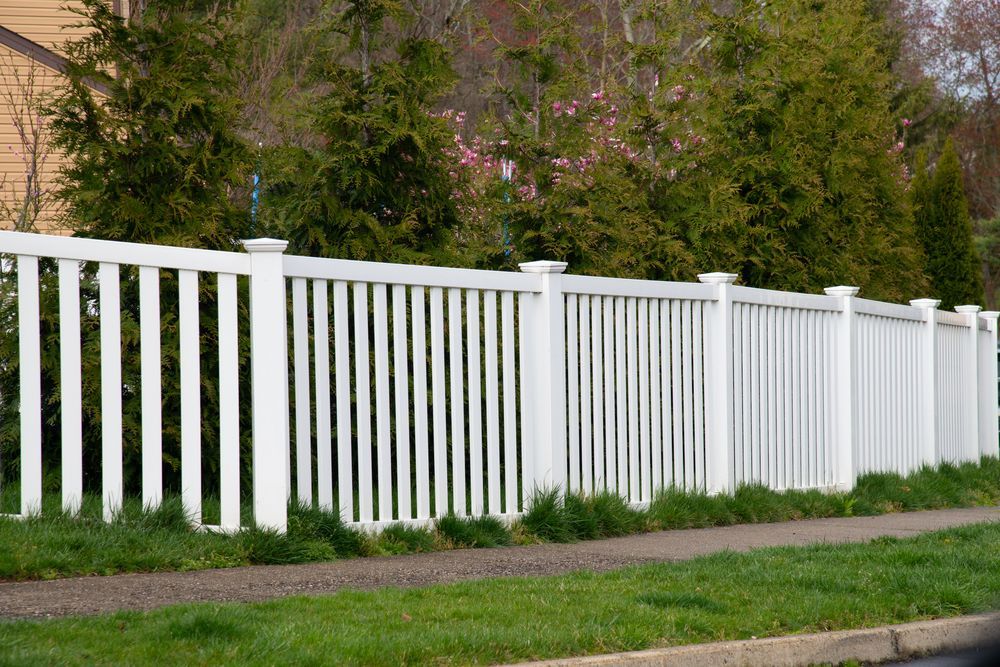
Vinyl fencing commonly lasts between two and three decades when installed correctly and made with high-grade materials. Many fences continue performing well beyond that range with minimal intervention. Unlike wood, vinyl does not break down through moisture absorption. Unlike metal, it does not corrode. Its structure remains stable through seasonal changes, which reduces long-term wear.
The longevity of vinyl comes from its composition. Polyvinyl chloride resists many environmental pressures that shorten the life of other fencing types. Sun exposure, rain, and humidity do not affect vinyl the same way they affect organic materials. Over time, the fence maintains its shape and strength, allowing it to remain functional without constant upkeep.
What Makes Vinyl Last Longer Than Other Fence Materials
Vinyl fencing does not rely on surface coatings for protection. Wood depends on stains and sealants to slow decay. Metal relies on protective finishes to resist rust. Vinyl carries its resistance throughout the material itself. That difference plays a major role in long-term durability.
The material does not attract insects. Termites and carpenter ants ignore vinyl completely. Moisture does not cause swelling or rot. These qualities reduce the hidden damage that often goes unnoticed in other fence types until repairs become unavoidable.
Another factor involves flexibility. Vinyl has a slight give under pressure, which helps it handle wind and minor impacts better than rigid materials. This flexibility reduces cracking and structural failure during storms or temperature shifts.
How Installation Quality Shapes Vinyl Fence Longevity
Even the strongest material fails without proper installation. Vinyl fencing relies on correct post depth, spacing, and alignment. Posts that sit too shallow may shift over time. Panels installed without room for expansion may stress the structure during temperature changes.
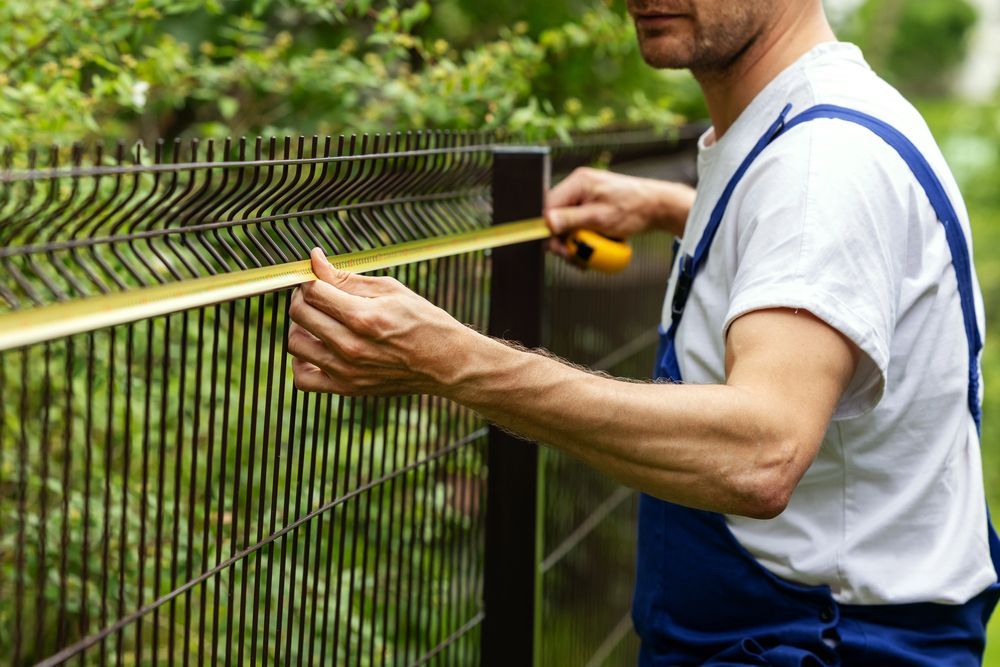
Professional fence installation plays a major role in long-term results. Proper layout planning keeps panels straight and posts stable. Soil conditions influence how deep posts need to sit. Sloped yards require careful adjustments to maintain clean lines and balanced weight distribution.
We see many issues caused by rushed installation. Leaning posts, loose panels, and uneven sections often trace back to shortcuts taken during setup. Vinyl performs best when the foundation beneath it receives the same attention as the fence itself.
Climate and Its Effect on Vinyl Fence Performance
Vinyl fencing handles a wide range of climates well. Heat does not cause it to dry out or split. Moisture does not lead to decay. These qualities make vinyl suitable for many regions, including areas with high humidity or frequent rainfall.
Sun exposure does play a role over long periods. High-quality vinyl includes UV inhibitors that slow fading and discoloration. Lower-grade products may lose color more quickly, especially in open areas with constant sunlight. Choosing materials designed for outdoor exposure helps preserve appearance.
Wind also matters. Strong gusts place pressure on large fence sections. Correct spacing and secure posts allow vinyl to flex without damage. When installation accounts for local weather patterns, the fence handles these forces more effectively.
Maintenance Needs Compared to Other Fence Types
Vinyl fencing requires very little maintenance. Occasional cleaning removes dirt, pollen, and surface buildup. Water and mild soap usually handle this task. There is no need for sanding, staining, or painting.
Wood fences demand regular surface treatment to slow decay. Metal fences may need rust management. Vinyl avoids these cycles entirely. This reduced maintenance contributes directly to its long lifespan. Less intervention means fewer chances for damage during upkeep.
Routine visual checks still matter. Inspecting posts and panels after storms helps catch issues early. Addressing minor concerns quickly keeps the fence stable for years.
How Long Vinyl Fence Lasts Compared to Wood and Chain Link
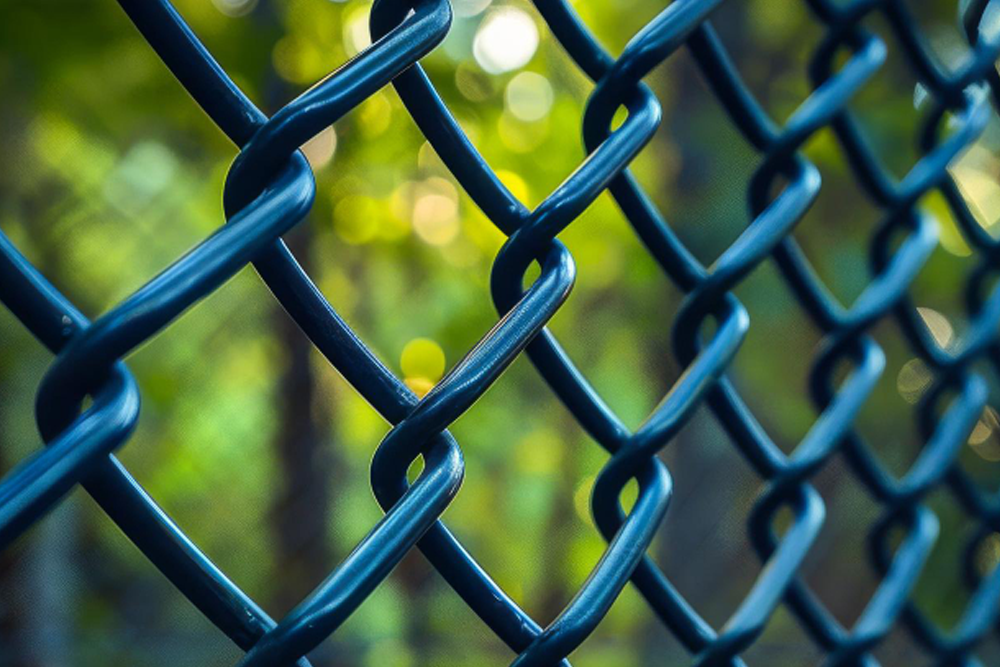
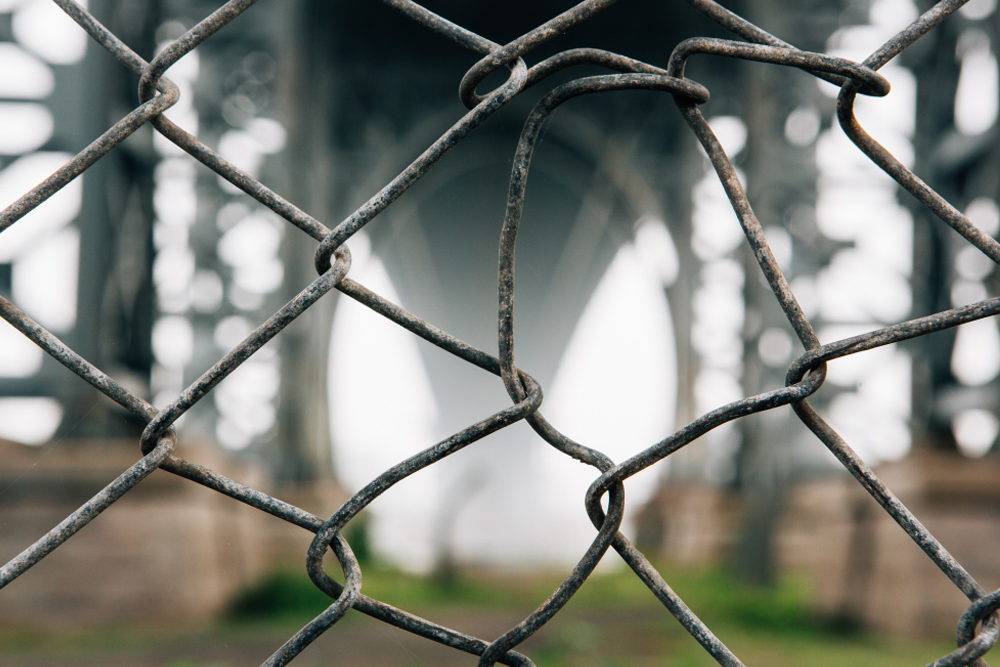
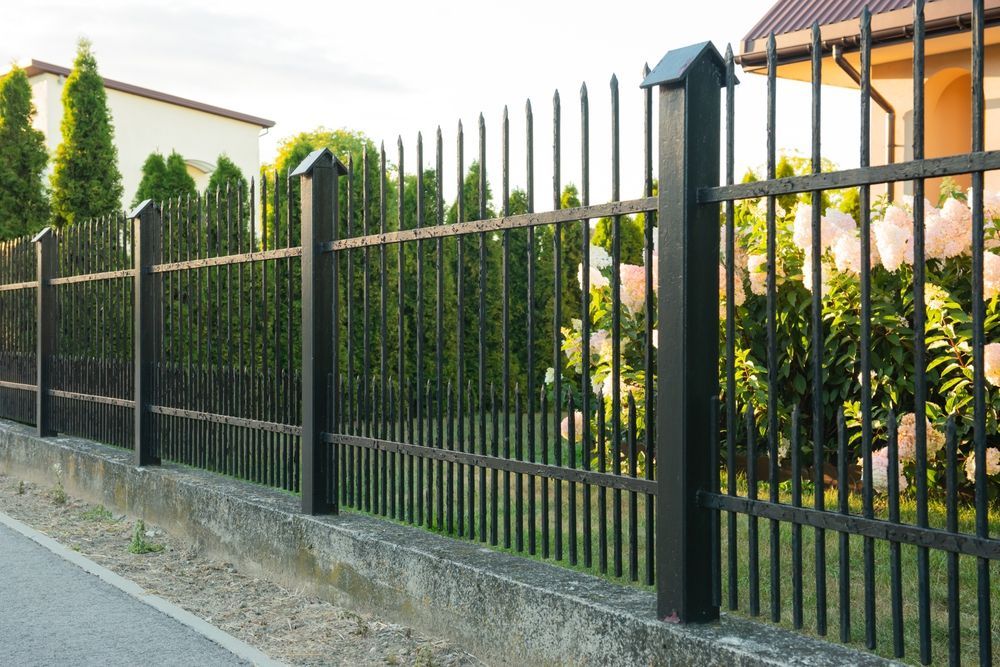
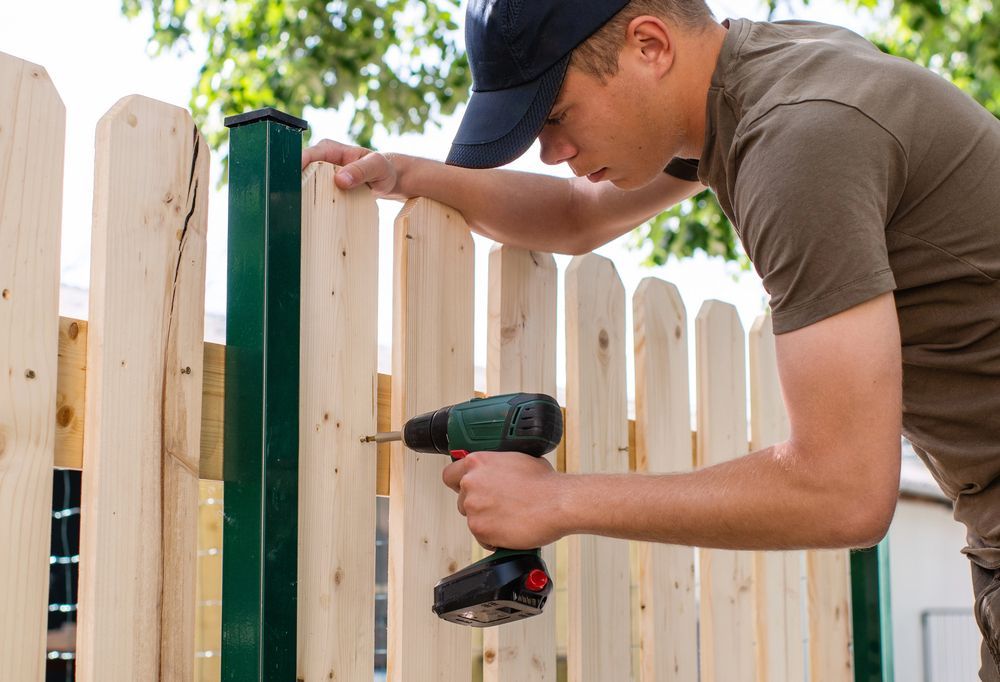
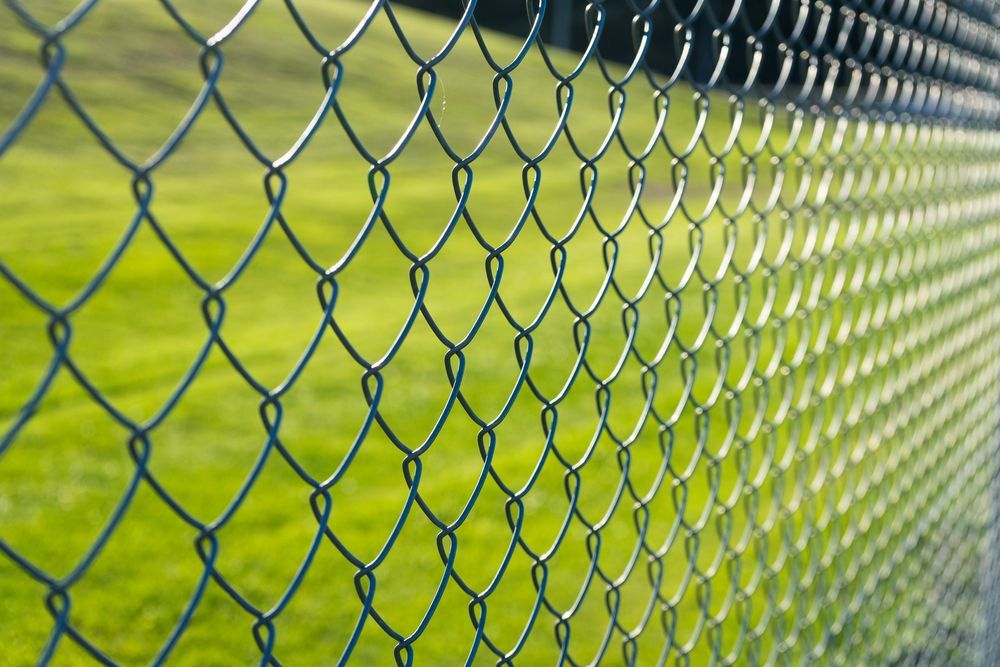
Wood fencing often lasts one to two decades depending on maintenance and exposure. Moisture and insects shorten its lifespan without constant care. Chain link fencing lasts longer than wood but may suffer from rust or coating failure over time.
Vinyl often outperforms both in terms of appearance retention and structural stability. It keeps a clean look without ongoing treatments. That difference appeals to homeowners who want long-term value without constant upkeep.
For properties that need a balance between durability and visibility, chain link still plays a role. We install durable options through our chain link fence installer services, which work well for certain applications. Vinyl stands out when privacy and appearance matter most.
Material Quality and Its Long-Term Impact
Not all vinyl fencing performs the same. Material formulation affects strength, color retention, and resistance to impact. Higher-quality vinyl includes stabilizers that protect against UV exposure and temperature changes.
Lower-grade vinyl may feel brittle or thin. Over time, it may crack under stress or discolor unevenly. Investing in quality materials reduces these risks. Thicker panels and reinforced rails contribute to structural integrity.
We focus on materials that balance strength and flexibility. That approach helps fences remain upright and attractive through years of use.
Fence Design Choices That Influence Durability
Fence height and layout influence how vinyl performs. Taller fences catch more wind. Solid privacy panels place more pressure on posts. Proper spacing and reinforcement help manage these forces.
Gate placement also matters. Gates introduce movement into the fence line. Strong hinges, reinforced posts, and accurate alignment reduce sagging and wear. Custom gate installation paired with vinyl fencing improves overall performance.
Design decisions should match how the property functions. Yards with pets or children may need taller privacy sections. Open areas may benefit from spacing that allows wind to pass through. Thoughtful design supports longevity.
Repair and Replacement Considerations Over Time
Vinyl fencing resists many common problems, but damage can still occur. Severe impacts or fallen trees may crack panels or posts. Repairing vinyl often involves replacing specific sections rather than patching.
The modular nature of vinyl fencing helps in these situations. Individual panels and posts can be swapped without disturbing the entire fence line. This feature extends the useful life of the fence as a whole.
Eventually, replacement becomes practical if damage spreads across multiple sections or if the fence no longer meets property needs. Many homeowners reach this point decades after installation.
How Vinyl Fence Longevity Affects Property Value
A long-lasting fence contributes to curb appeal and function. Vinyl maintains a clean, uniform look that appeals to future buyers. Its low maintenance profile also adds perceived value.
Buyers often see vinyl fencing as a finished feature rather than a future project. That perception matters during resale. A fence that does not demand immediate work creates confidence.
The extended lifespan of vinyl supports this value. Homeowners invest once and benefit for years without ongoing expense.
How The Fence Doctor Helps Homeowners Choose and Maintain Vinyl Fencing
We help clients choose vinyl fencing that fits their property and long-term goals. Our fence installation process focuses on quality materials, careful planning, and clean execution. We also handle replacement, repairs, and custom gate work when needs change.
Our local experience and customer-focused approach guide every project, helping fences perform well for decades while staying practical and visually consistent.