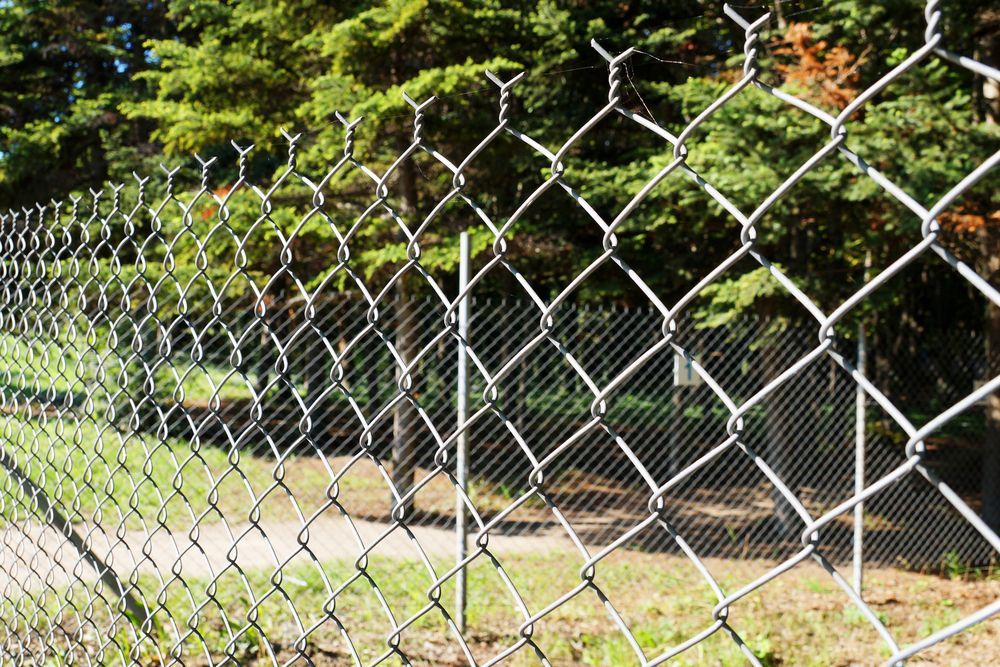
How To Tighten A Loose Chain Link Fence
A sagging chain-link barrier often signals more than surface-level wear. When mesh begins to bow between posts, tension weakens, security declines, and gate alignment may shift out of place. Property owners searching for how to tighten chain link fences usually notice loose fabric after repeated climbing, wind pressure, or gradual metal fatigue.
Working with an experienced chain link fence installer helps restore structural balance while preventing further strain on posts, rails, and tension bands.
Why Chain-Link Fences Begin to Sag
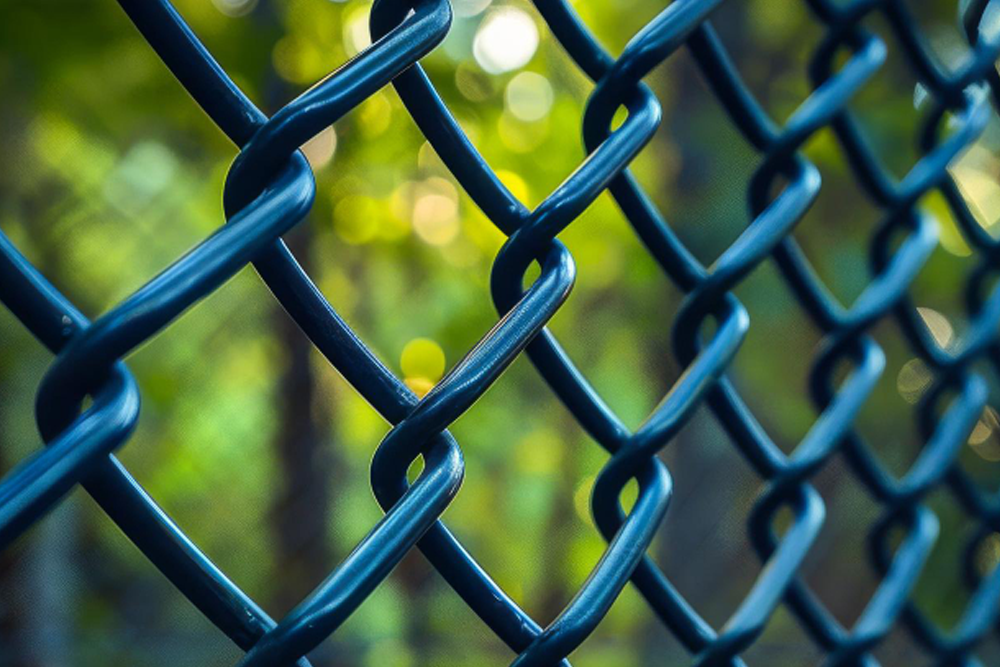
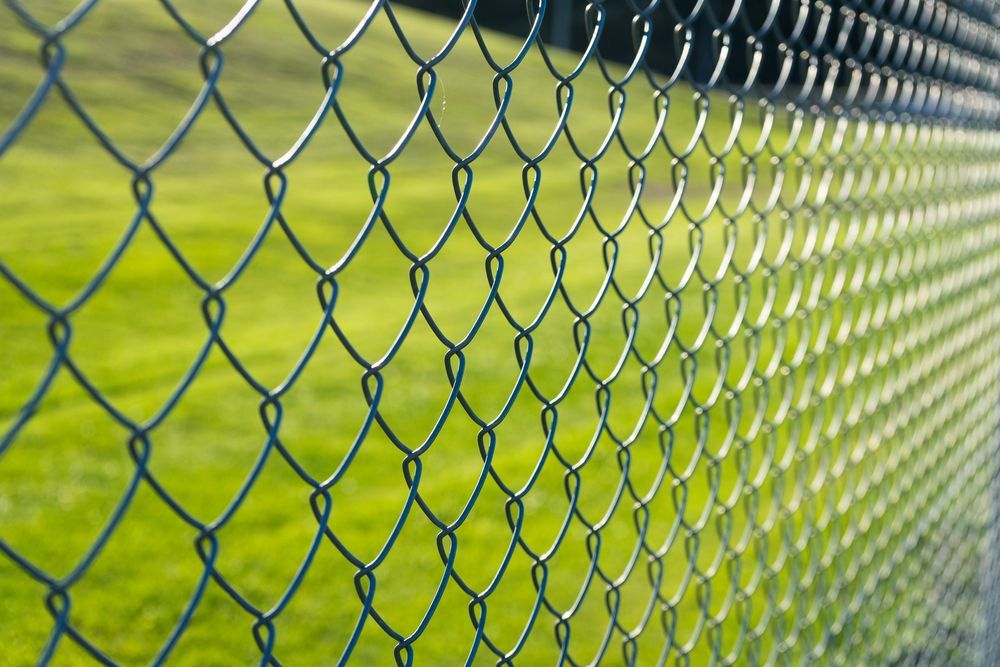
Chain-link systems rely on balanced tension across fabric, rails, and terminal posts. When tension bars loosen or aluminum ties deteriorate, the mesh loses its uniform alignment. Climbing, impact damage, soil movement, or improper initial installation often accelerates this problem.
Loose mesh rarely corrects itself. Instead, slack areas expand outward, placing added stress on terminal posts. Over time, post lean may develop, top rails may separate, and gates may scrape against the ground. Addressing early signs of sag protects the integrity of the entire fence line.
In many Columbus and Phenix City properties, heavy storms combined with high foot traffic contribute to progressive stretching of the mesh. Prompt correction preserves both appearance and boundary performance.
Key Tools Required for Tightening Chain-Link Fabric
Professional-grade tightening requires specialized equipment designed for controlled tensioning. Standard hardware store tools rarely deliver adequate leverage or safety.
Common tools include:
- Steel tension bars
- Come-along winch or fence stretcher
- Chain with shackles
- Bolt cutters
- Wire cutters
- Aluminum tie wires
- Pliers and wrench for tension bands
A tension bar slides vertically through the mesh near the terminal post. A come-along winch attaches to the bar and applies horizontal pulling force. This method distributes tension evenly rather than forcing isolated sections.
Using improper tools can damage galvanized coating, kink mesh diamonds, or distort posts. Precision during this stage determines how long the correction lasts.
Preparing the Fence Line Before Applying Tension
Before tightening begins, inspection matters. Terminal posts must remain upright and firmly set in concrete. If a post shifts, tensioning alone will not solve the issue. Post stability forms the foundation of the entire system.
Next, aluminum tie wires that connect mesh to line posts require removal within the sagging section. Cutting these ties allows fabric to move freely during stretching. Leaving ties intact creates uneven pull points and may tear the mesh.
Tension bands at terminal posts also require evaluation. Loose or rusted bands compromise long-term hold strength. Replacement during tightening prevents future slippage.
The Correct Process for Tightening Chain-Link Fence Fabric
The process begins by inserting a steel tension bar vertically through the chain-link diamonds near the loose section. Placement typically occurs several feet from the terminal post where sag appears most pronounced.
A chain and come-along winch attach to the tension bar approximately one-third down from the top rail. The opposite hook secures around the terminal post at mid-height. Proper anchoring distributes pulling force without twisting the post.
Once secured, gradual pressure applies through the winch handle. Controlled movement pulls the mesh toward the terminal post, removing slack. Over-tightening risks bending the top rail or stressing the post footing, so steady, measured force matters.
When the fabric reaches a taut and upright position, a second tension bar installs close to the terminal post. Tension bands and bolts fasten the bar securely. Tightened bolts lock the mesh into place.
After re-securing the terminal connection, new aluminum tie wires wrap around line posts at uniform twelve-inch intervals. Proper spacing restores structural rhythm across the fence line.
Excess fabric near the terminal post trims cleanly using bolt cutters. The come-along winch then detaches, completing the re-tensioning cycle.
Common Mistakes That Shorten Fence Lifespan
Many loose-fabric corrections fail because of uneven tension. Pulling only the top portion tight while the lower section remains slack creates diagonal stress lines. Over time, the mesh distorts and tension bands shift.
Another frequent issue involves ignoring post alignment. Leaning posts undermine all tightening efforts. A structurally sound post anchors the entire stretch of mesh.
Improper tie-wire spacing also weakens the repair. Wide gaps between ties allow the fabric to drift during wind pressure. Consistent twelve-inch spacing distributes load evenly.
Rust accumulation near base rails and tension bands further contributes to slippage. Corrosion-resistant components extend the working life of chain-link systems.
When Tightening Alone is Not Enough
In some cases, mesh sag reflects broader deterioration. Severely stretched fabric loses diamond shape integrity and cannot regain original strength. Bent top rails or damaged line posts indicate structural compromise.
At that stage, remove-and-replace service often proves more cost-effective than repeated tension adjustments. Replacing compromised sections restores full alignment while preserving remaining fence runs.
Properties with outdated or heavily corroded mesh may benefit from full fence installation upgrades. Modern galvanized or PVC-coated options resist corrosion and reduce maintenance demands.
The Value of Professional Fence Installation and Repair Services
Tightening chain-link fabric requires controlled force, technical understanding, and experience with post anchoring systems. Professional fence installation and repair services address both visible sag and underlying stress points.
Experienced technicians identify early warning signs such as soil settlement around posts or weakened tension bands. Addressing these concerns during tightening prevents recurring slack.
Beyond repair, chain-link remains one of the most durable and corrosion-resistant fencing options for residential, commercial, and athletic applications. Proper installation from the start reduces the likelihood of sagging later.
High-quality materials, precise spacing, and on-site construction techniques create consistent tension across every stretch of mesh.
Long-Term Maintenance Considerations
Routine inspections protect chain-link investment. Checking tie wires, tension bands, and post stability twice annually helps catch early slack development. After severe storms, visual review of mesh alignment prevents minor sag from escalating.
Lubricating gate hinges and confirming latch alignment also reduces strain along adjacent mesh sections. When gates bind or drag, nearby fabric absorbs excess pressure.
Requesting Professional Assistance in Columbus and Phenix City
Property owners who notice progressive sag, post lean, or recurring slack should seek professional evaluation. Quick action limits structural damage and avoids unnecessary replacement.
A quick fence quote offers clarity regarding repair scope and cost expectations. For detailed consultation, request a free estimate and receive site-specific recommendations tailored to property layout.
Timely tightening, reinforced posts, or strategic remove-and-replace solutions restore fence strength and protect long-term value.
At The Fence Doctor, we correct sagging mesh, reinforce posts, and restore full tension using professional-grade tools and on-site craftsmanship. As a locally owned and operated company, we focus on quality materials, strong workmanship, and responsive customer service.
Call 706-577-3320 or
request a quote today. We handle fence installation, remove-and-replace projects, repairs, and custom gate installation with precision and care.