Vinyl Vs. Chain Link Fence: Choosing The Right Option For Your Property
Property boundaries influence privacy, security, long-term maintenance, and overall curb appeal. The debate around vinyl vs chain link fence often arises when homeowners want durability without sacrificing visual impact. Each material performs differently under sun exposure, storm pressure, and daily wear.
Consulting a professional chain link fence installer allows property owners to evaluate structural performance alongside aesthetic goals before committing to a full fence installation project.
Material Composition and Structural Performance
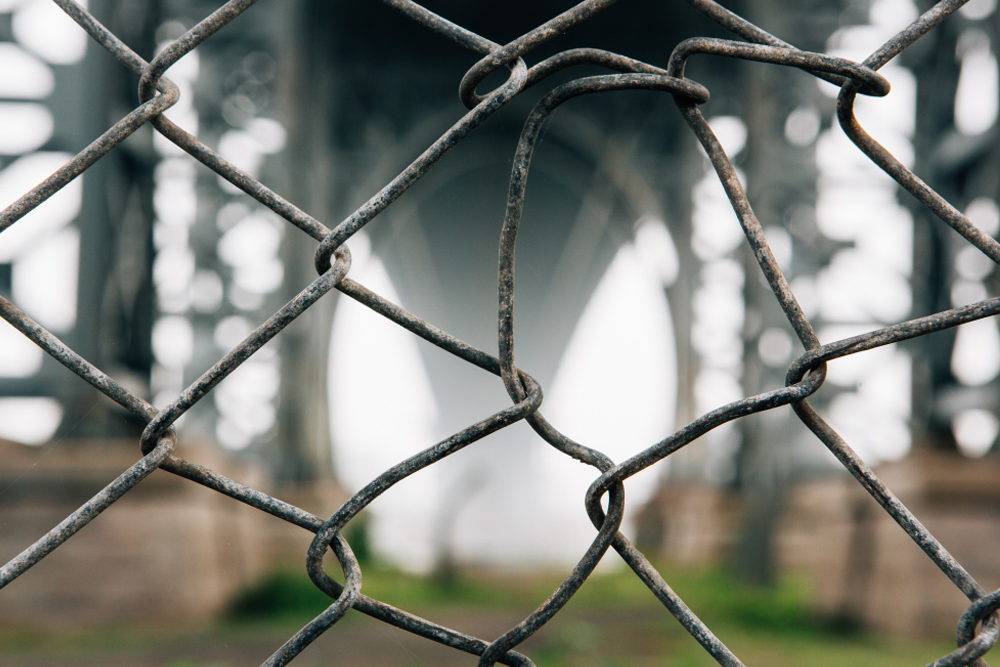
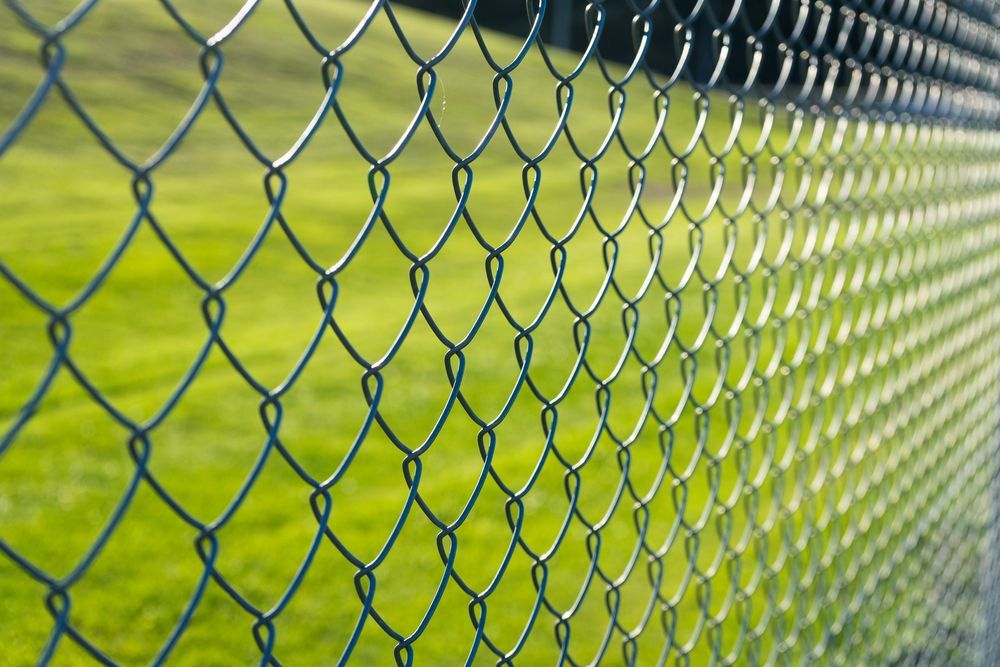
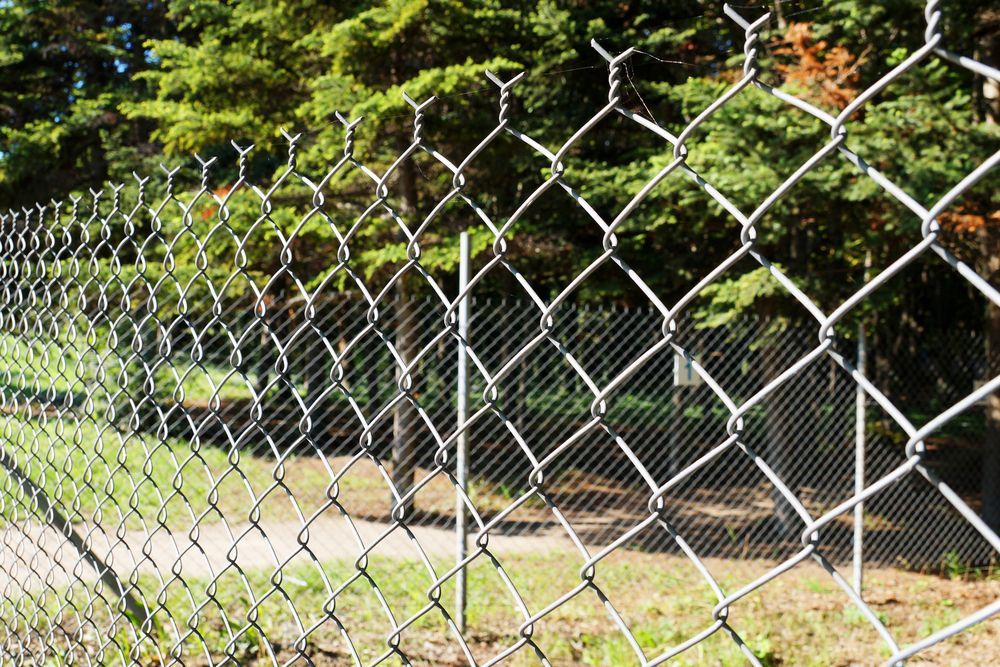
Chain-link fencing relies on interwoven steel wire formed into a diamond-pattern mesh. Galvanized coating protects the metal from corrosion, while PVC-coated options add another weather-resistant layer. This open-weave design distributes wind load effectively, reducing strain on posts during high-wind events common across Georgia and Alabama.
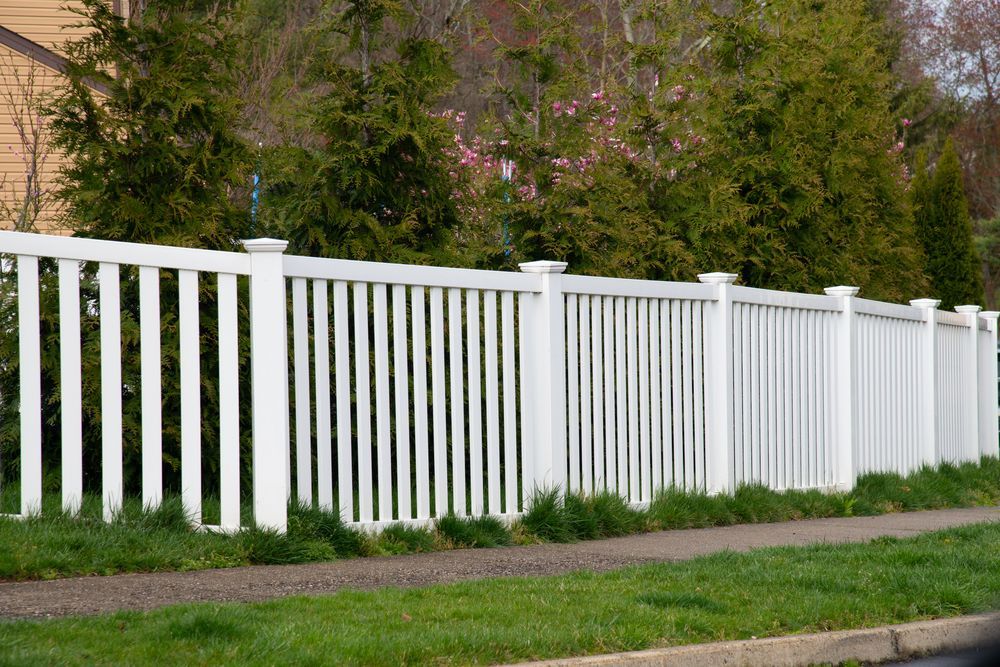
Vinyl fencing, by contrast, uses rigid polyvinyl chloride panels, often reinforced internally with aluminum inserts. These solid panels create a continuous surface that blocks visibility and defines property lines with clarity. Vinyl does not rust, yet prolonged exposure to extreme temperature shifts can cause expansion or contraction.
When evaluating vinyl vs chain link fence performance, wind exposure, soil conditions, and intended use all shape the final decision.
Budget Considerations and Long-Term Value
Initial cost frequently influences material choice. Chain-link fencing generally requires lower upfront investment due to material affordability and efficient installation. For larger properties or commercial sites, this cost difference becomes significant.
Vinyl fencing typically commands higher material pricing. Panel manufacturing, reinforced rails, and decorative features contribute to that increase. However, long-term maintenance costs often remain minimal, since vinyl does not require staining or repainting.
While chain-link systems demand periodic inspection of tension bands and tie wires, repairs remain straightforward and cost-effective. Property owners comparing vinyl vs chain link fence options should assess both initial outlay and projected maintenance over time.
Privacy and Security Expectations
Privacy stands as a primary reason many homeowners consider vinyl fencing. Solid panels prevent outside visibility, create a secluded backyard environment, and reduce visual distractions from neighboring properties. This design also discourages climbing due to the absence of footholds.
Chain-link fencing, by design, remains transparent. While it defines boundaries and deters casual entry, it does not conceal activity within the yard. Privacy slats may insert into mesh openings, though complete visual blockage rarely matches solid vinyl panels.
For high-security areas, chain-link can incorporate barbed wire extensions or increased height. Commercial facilities often favor this configuration for perimeter protection.
Durability Under Weather Exposure
Southeastern climates introduce intense sun, heavy rain, and occasional storm systems. Chain-link fencing handles wind pressure efficiently due to its open weave. Galvanized steel resists rust when properly coated, and PVC-coated mesh enhances corrosion resistance.
Vinyl fencing withstands moisture exposure without rusting or rotting. However, strong wind gusts exert greater surface pressure against solid panels. Proper post depth and reinforced installation techniques remain necessary to counteract this force.
In hurricane-prone zones or wide-open properties, chain-link often demonstrates superior wind tolerance. For sheltered suburban neighborhoods, vinyl panels perform well when installed with reinforced posts.
Maintenance Demands Over Time
Chain-link fencing requires minimal maintenance beyond occasional tightening of mesh tension and inspection of hardware. If a section sustains damage, targeted repair or remove-and-replace service restores structural integrity without replacing the entire fence line.
Vinyl fencing needs periodic cleaning to remove dirt buildup and algae staining. Pressure washing or gentle scrubbing restores its original color. Although vinyl does not corrode, cracks may develop under impact or extreme cold exposure. Damaged panels often require professional replacement.
From a maintenance perspective, both materials remain manageable, though repair complexity varies depending on damage type.
Aesthetic Impact and Property Appeal
Visual impact differs dramatically between these materials. Vinyl fencing offers a polished, uniform appearance available in various heights and design profiles. White remains popular, though neutral tones and wood-grain finishes exist for customized style.
Chain-link fencing presents a functional look. It suits industrial properties, athletic fields, and utility areas. Residential homeowners sometimes prefer it for backyard enclosures where appearance ranks lower than affordability and durability.
In neighborhoods governed by homeowner associations, vinyl often meets appearance guidelines more easily. Some associations restrict chain-link usage in front yards or visible areas.
Property owners evaluating vinyl vs chain link fence options should consider local regulations and architectural consistency within their community.
Pet and Child Containment
Families with pets frequently prioritize containment strength. Vinyl fencing eliminates footholds, reducing climbing risk. Solid panels also prevent small pets from slipping through gaps.
Chain-link fencing contains most dogs effectively, though agile breeds may attempt to climb the diamond mesh. Increasing fence height mitigates that risk. Proper bottom tensioning prevents pets from pushing under loose sections.
Selecting the right height and reinforcement plays a larger role in containment than material alone.
Repair Flexibility and Remove-and-Replace Options
Over time, every fence experiences wear. Chain-link fencing allows isolated fabric replacement or re-tensioning without dismantling entire sections. Posts remain intact while mesh segments swap out as needed. This flexibility lowers long-term repair expenses.
Vinyl fencing often requires panel replacement when cracks occur. Color matching across older installations can present challenges if fading develops.
Professional fence installation and repair services address both materials with precision. Accurate assessment determines whether tightening, component replacement, or partial remove-and-replace service delivers the best outcome.
Installation Complexity and Craftsmanship
Installation quality influences performance more than material selection alone. Chain-link fencing demands precise post alignment, proper concrete depth, balanced tension bars, and secure tie-wire spacing. Improper tension creates sag and uneven stress.
Vinyl fencing requires accurate leveling and reinforced post anchoring to withstand wind pressure. Panel spacing must remain consistent to prevent bowing or shifting.
A locally owned and operated contractor with experience and knowledge in both systems elevates installation standards. Workmanship directly affects lifespan, structural balance, and appearance.
Commercial Versus Residential Applications
Commercial properties frequently select chain-link for perimeter security, storage yards, and industrial boundaries. Its affordability and scalability suit large sites effectively.
Residential homeowners often prefer vinyl fencing for backyard privacy and enhanced curb appeal. Custom gate installation also integrates seamlessly with vinyl systems for pedestrian or vehicle access.
Each property type demands a tailored evaluation rather than a one-size-fits-all solution.
Environmental Impact and Longevity
Galvanized steel chain-link fencing offers long-term durability and remains fully recyclable at the end of its service life. Protective PVC coatings enhance corrosion-resistance, particularly in humid Southern climates where moisture exposure accelerates metal deterioration.
Vinyl fencing resists rot, insect damage, and moisture intrusion, making it suitable for damp conditions. However, extended ultraviolet exposure may gradually cause fading or surface brittleness. Environmental impact varies based on manufacturing standards and material composition.
Ultimately, lifespan depends on installation accuracy, soil stability, material quality, and consistent inspection rather than surface appearance alone.
Making the Right Choice for Your Property
The vinyl vs chain link fence debate ultimately centers on priorities. Budget-conscious projects with large perimeter requirements often align with chain-link systems. Privacy-focused homeowners seeking a defined backyard retreat gravitate toward vinyl panels.
Climate exposure, neighborhood guidelines, pet containment needs, and long-term maintenance expectations all shape the final decision. Evaluating these variables carefully leads to a fence solution that balances function and appearance.
Property owners ready to compare costs and explore design options can request a quick fence quote for accurate project insight.
For site-specific consultation, schedule a free estimate and receive tailored recommendations.
Schedule Your Fence Consultation With The Fence Doctor Today
At The Fence Doctor, we guide property owners through vinyl and chain-link selections with clear recommendations based on layout, goals, and budget.
With us, every fence installation, remove-and-replace project, repair, and custom gate installation reflects quality materials and precise workmanship.
Call 706-577-3320 to discuss your project, and let our team deliver a fence that fits your property and long-term expectations.